Automating the audit: How accounting firms can review bookkeepers via AI
Discover how Australian accounting firms can use intelligent automation and AI to review bookkeepers, reduce manual data entry, and unlock advisory capacity in 2026.
Month-end close used to mean late nights buried in bank feeds, manually double-checking every single transaction a bookkeeper entered. For many accounting firms, the review process is more of a marathon than a structured workflow. But what if you could automate the 90% of verification tasks that don't actually require your professional judgment?
Intelligent automation is changing the math for accounting practices. Instead of spending hours keying invoices or matching receipts, firms are moving toward a "human-in-the-loop" model. In this setup, AI handles the repetitive heavy lifting while your team provides the final strategic sign-off. It is the shift from being a "number-cruncher" to a "strategic advisor," and it is happening faster than most realize.
At Mushin, we call this "effortless action." We combine proven workflow platforms with AI to take manual work off your team's plate. Our goal is to move businesses from automation to autonomy, allowing you to focus on the work that actually grows your firm.
The shift from data entry to strategic oversight
The historical bottleneck in accounting has always been the sheer volume of manual data entry. Accounting firms can spend hundreds of hours each year reviewing basic entries from bookkeepers. It is a necessary evil to ensure accuracy, but it is a massive drain on a firm's most valuable resource: its people's time.
When you're stuck in the weeds of transaction coding, you aren't providing the high-level advisory services your clients actually value. This is where the human-in-the-loop model becomes critical. Instead of replacing your team, AI acts as a "quiet assistant" that pre-sorts thousands of documents and flags only the discrepancies for your review.
By automating the routine checks, you reclaim hours in your week. As one study by MIT Sloan and Stanford found, accountants using AI were able to reallocate about 8.5% of their time away from routine data entry and cut 7.5 days off the monthly close. That is not just a small efficiency gain; it is a fundamental shift in how a firm operates.
What is automated auditing for accounting firms?
Automated auditing is the integration of AI into your existing workflow to scan transactions, match documents, and flag anomalies in real-time. Unlike traditional automation, which relies on rigid "if-then" rules, modern AI uses machine learning to understand context and learn from your corrections.
Why does this matter? Because real-world accounting is messy. Static rules often fail when they encounter "edge cases" like a new vendor or an unusual transaction amount. AI-native accounting software learns from your approvals and gets smarter with every interaction. It doesn't just follow instructions; it adapts to how your specific clients operate.
At Mushin, we focus on providing a quiet kind of ROI. We don't believe in a "rip-and-replace" approach that forces you to abandon the tools you already use. Instead, we layer intelligence on top of your existing systems, ensuring that your team stops noticing the tools because the work just gets done.
Key components of an AI-powered review workflow
To truly automate the audit process, you need a workflow that covers the entire transaction lifecycle. Let's break down the three most impactful areas.
1. Automated categorisation and matching
AI can recognize patterns across bank feeds and credit cards with remarkable precision. Some platforms now achieve up to 98% accuracy in automated categorization. The AI analyzes historical data, vendor names, and timing to map transactions to the correct accounts before you even open your general ledger.
2. Document extraction and PO matching
Manual invoice processing is often the biggest time sink in small practices. AI-powered OCR (optical character recognition) can now extract data from various financial documents like supplier invoices and matching them to purchase orders automatically. This removes the need for manual copy-pasting and ensures that the record in your system matches the source document exactly.
3. Anomaly and fraud detection
This is where AI really outperforms human review. AI systems can scan thousands of transactions in seconds to identify duplicate payments or unusual after-hours activity that a human might miss during a manual spot-check. In fact, AI has been shown to detect 90% of accounting errors that would otherwise go unnoticed.
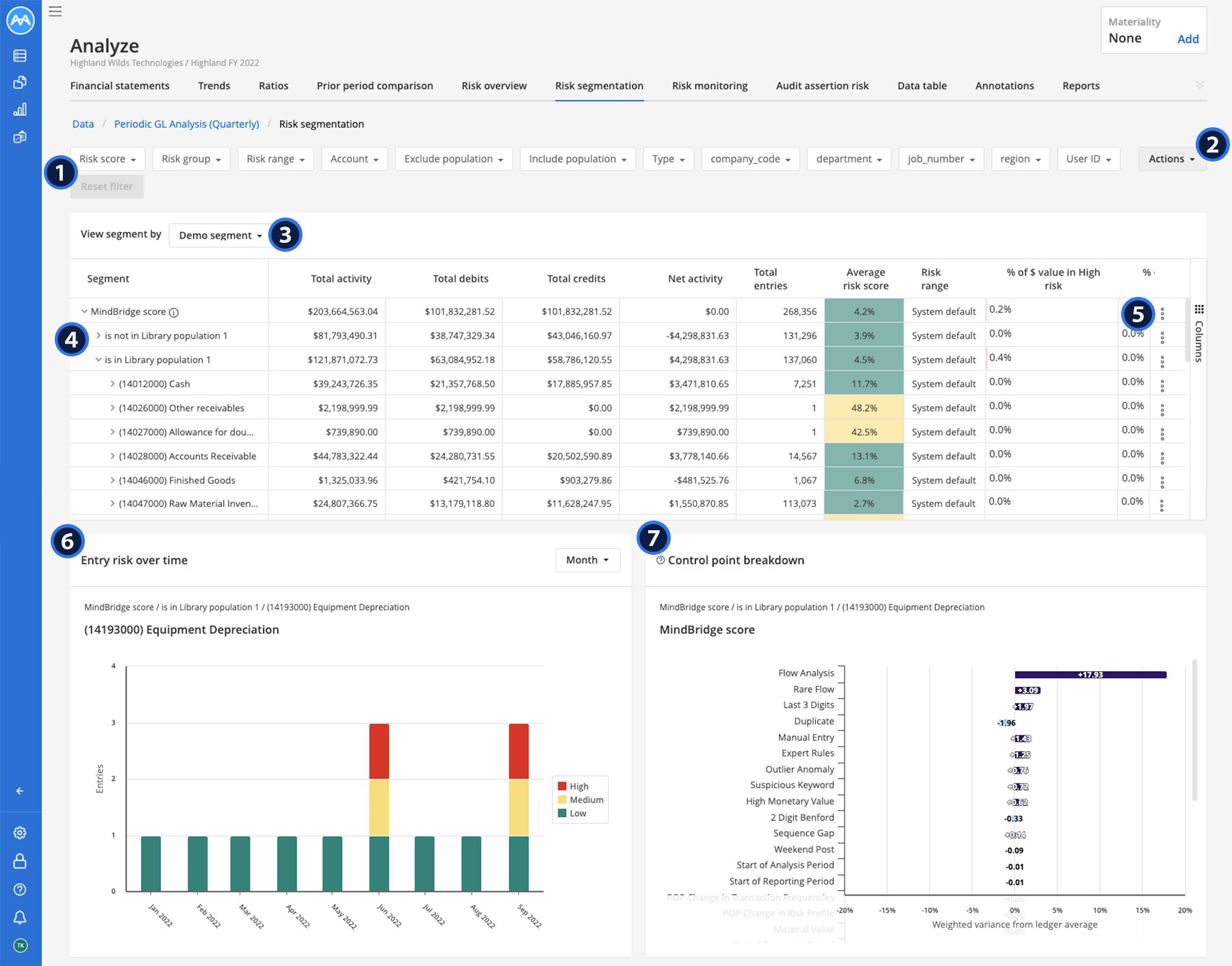
We help firms implement these components through our Accounts & Admin automation solutions. We handle supplier invoices quietly in the background, so your team spends minutes on review instead of hours on entry.
Top AI tools for reviewing bookkeeper work
While there are many tools on the market, a few stand out for their specific ability to help accounting firms review and audit work.
DataSnipper
DataSnipper is a powerful tool for firms that do a lot of document-heavy audit work. It operates as an add-in within Microsoft Excel, which is the tool most auditors use every day. Its primary strength is "The Snip," a feature that creates a permanent, clickable link between your Excel data and the source PDF document. This provides an instant audit trail that makes it incredibly easy for a reviewer to verify where a number came from.
Botkeeper
For firms looking to scale their bookkeeping services, Botkeeper offers a hybrid platform that combines machine learning with human oversight. They claim 97% accuracy on AI-posted entries, and their "Bot Review" feature automatically flags low-confidence items for human sign-off. It is built specifically for accounting firms, meaning they don't compete with you for your clients.
Puzzle.io
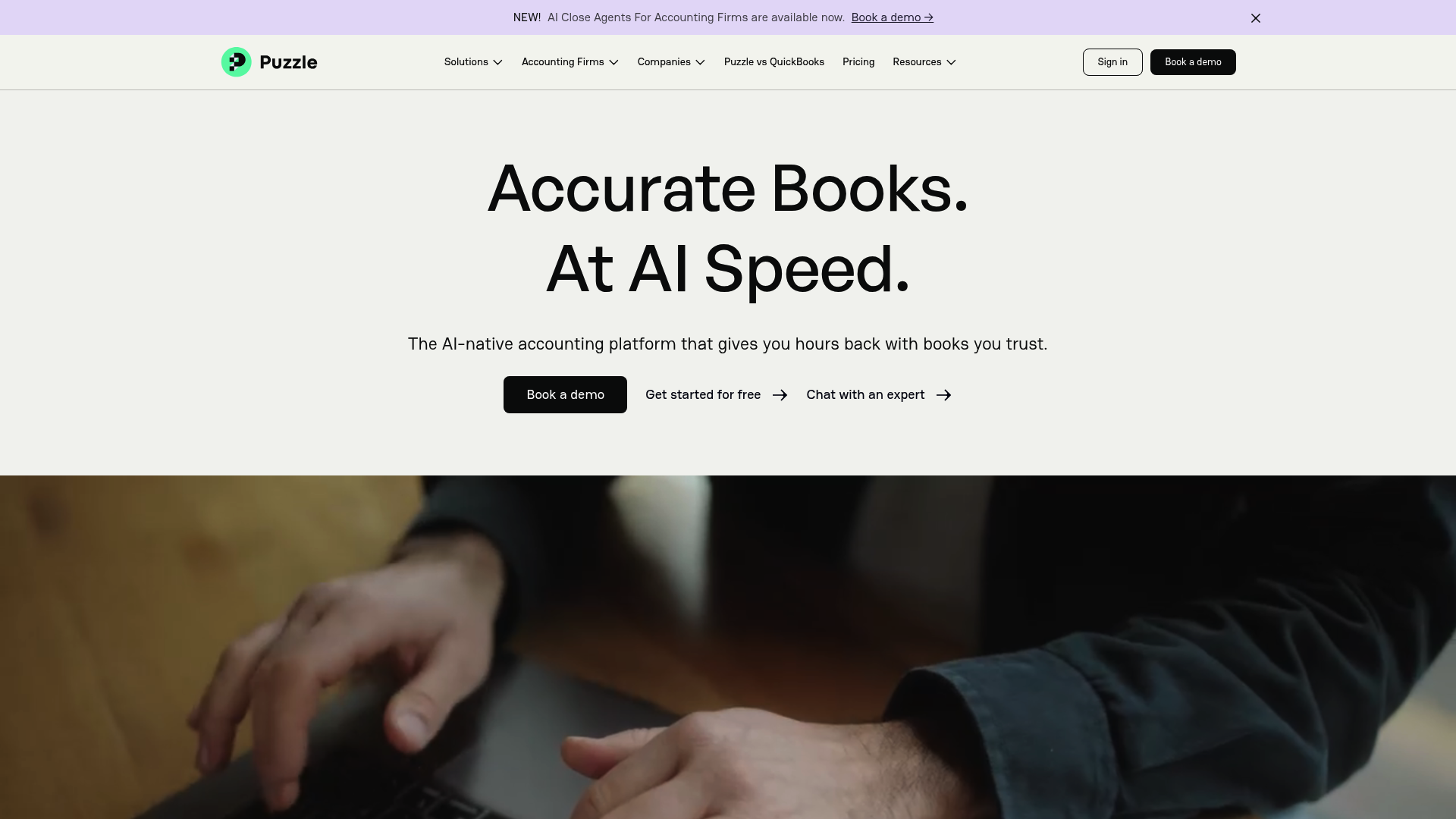
Puzzle is an AI-native general ledger built for startups and the firms that serve them. It focuses on real-time visibility, providing automated tracking of burn rate and runway. Their "AI Close Agents" allow you to describe your close workflow in plain language, which the AI then converts into runnable steps.
Finlens
If you're a QuickBooks Online firm that doesn't want to migrate your clients to a new ledger, Finlens is a great option. It acts as an "AI layer" that integrates natively with QBO. It automates reconciliations and accruals while keeping QuickBooks as your single source of truth.
Comparing the best audit automation tools in 2026
Choosing the right tool depends on your firm's specific needs and the platforms your clients already use. Here is a quick breakdown of how these top options compare:
| Tool | Best for | Key Feature | Integration |
|---|---|---|---|
| DataSnipper | Audit Prep | Excel-based document matching | Excel, major ERPs |
| Botkeeper | Bookkeeping Scale | Hybrid AI + Human review | QBO, Xero |
| Puzzle.io | Startups | Real-time MRR/Burn metrics | Stripe, Brex, QBO |
| Finlens | QBO Users | Accruals and close coordination | QBO |
Bottom line? DataSnipper is excellent for traditional audit verification, while Botkeeper and Finlens are better suited for automating the ongoing review of monthly bookkeeping. Puzzle is the way to go if your clients need real-time startup metrics.
How to implement a "quiet audit" in your firm
You don't need a total technology overhaul to start seeing the benefits of AI. Here is how the process works for most successful firms:
Step 1: Clean data is priority one
Automation fails on messy data. Before applying AI, you must standardise your workflows and clean up your client data. The fewer exceptions and manual workarounds you have, the more effective your AI tools will be.
Step 2: Choose your AI layer
Select tools that work with your existing stack. You shouldn't have to force your clients to change their accounting software. Look for platforms that offer hundreds of pre-built connectors, like we do at Mushin. This ensures a seamless flow of data between your client's GL and your review tools.
Step 3: Set risk thresholds
Not every transaction requires the same level of scrutiny. You can set thresholds where, for example, any transaction under $100 is auto-processed, while anything larger triggers a manual check. This allows you to stay in control while letting the AI handle the high-volume, low-risk work.
Evolving your firm with intelligent automation
The goal of automating the audit isn't just to save time; it's to evolve your firm's business model. When you move from "hours spent keying invoices" to "minutes of review," you unlock the capacity to offer more profitable advisory services.
Clients are no longer satisfied with "rear-view" reporting that only tells them what happened last month. They want proactive insights and real-time guidance. By letting AI handle the verification work, your team can provide the strategic value that builds long-term loyalty and higher margins.
It is time to take manual work off your team's plate and move from automation to autonomy. If you're ready to see how intelligent automation can transform your review process, Book a Discovery Call with us today. We would love to show you how our Mushin team can help your firm achieve effortless action.
Frequently Asked Questions
How can automating the audit process improve accuracy in my firm?
Automating the audit allows AI to scan every single transaction for patterns and anomalies, detecting up to 90% of errors that humans might miss during manual sampling. This ensures that your books are cleaner and your reports are more reliable.
Does automating the audit mean I have to replace my existing bookkeepers?
No, automating the audit is about augmenting your team, not replacing them. It handles the repetitive data entry and verification tasks so your bookkeepers can focus on higher-value work like strategic analysis and client relationships.
What are the best tools for automating the audit in 2026?
Some of the top tools for automating the audit include DataSnipper for document matching, Botkeeper for hybrid AI bookkeeping, and Finlens for QuickBooks Online firms. The best choice depends on your existing tech stack and specific client needs.
How long does it take to implement a system for automating the audit?
Many modern 'AI layer' tools can be set up in as little as one day with zero migration required. The key is to start small with a pilot client and gradually scale the automation as your team builds confidence in the system.
Is client data secure when automating the audit with AI?
Security is a top priority for reputable AI accounting tools. Look for platforms that are SOC 2 compliant and use bank-grade encryption to ensure your client data stays yours and is never used to train external models.
How does automating the audit help me scale my accounting practice?
By automating the audit, you can handle 30-40% more clients with the same team size. This allows you to grow your revenue without proportionally increasing your headcount or overhead costs.
Ready when you are
See what intelligent automation could do for your business
A friendly 30-minute conversation. No tech background required, no hard sell — just a look at the manual work slowing you down.
Book a Discovery Call